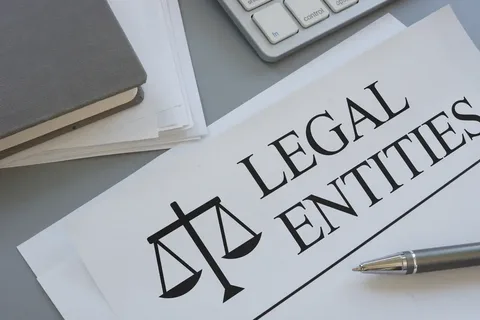
Maintaining an active business identity is essential for organizations involved in regulated financial activities. A Legal Entity Identifier (LEI) helps businesses establish a trusted identity across financial systems, allowing institutions and regulators to verify entity information accurately.
The process of legal entity identifier renewal ensures that business details remain updated and valid within the global LEI database. Regular renewal helps organizations avoid compliance issues, maintain smooth financial operations, and continue participating in regulated transactions without interruptions.
Understanding an Active Business Identifier
A business identifier provides a standardized way to recognize legal entities involved in financial activities. An active LEI confirms that the organization’s information has been reviewed and remains available for verification by financial institutions and regulatory authorities.
Maintaining accurate LEI records improves transparency and reduces confusion during financial transactions. It allows businesses to present consistent identity information across different markets and regulatory systems.
Importance of Keeping LEI Information Updated
An LEI contains important details about a business, including its legal name, registered address, and other entity-related information. Keeping these records current helps ensure that financial institutions access reliable data during verification processes.
Outdated information can create delays in financial activities and affect compliance procedures. Regular monitoring and timely updates help businesses maintain a reliable financial identity while supporting efficient operations.
Key Factors That Help Maintain an Active LEI
Businesses need a structured approach to manage their LEI status effectively. Regular reviews, accurate information, and timely actions help organizations avoid inactive status and maintain compliance.
1. Monitor LEI Validity Status
Checking the validity status of an LEI regularly helps businesses stay aware of upcoming renewal requirements. Monitoring the status allows organizations to take timely action before expiration affects financial activities. A planned approach reduces the chances of compliance interruptions and ensures that the entity information remains available for verification when required.
2. Review Business Information Regularly
Companies should review their registered details periodically to identify any changes that need updating. Information related to company name, address, or legal structure should always match official records. Maintaining accurate details improves transparency and helps prevent delays during verification by financial institutions and regulatory authorities.
3. Maintain Proper Documentation
Keeping essential business documents organized makes the renewal and update process more efficient. Proper documentation helps businesses respond quickly whenever verification or information updates are required. A structured record management system also supports better internal compliance practices and reduces administrative challenges.
4. Update Changes Promptly
Businesses experiencing changes in ownership, registration details, or legal structure should update their LEI information promptly. Timely updates help maintain accurate records across financial databases. Quick action ensures that institutions and regulators always have access to the latest verified information about the organization.
5. Follow Renewal Timelines
Tracking renewal deadlines is important for keeping an LEI active. Businesses should plan renewal activities in advance to allow enough time for verification and processing. A timely approach helps avoid inactive status and supports uninterrupted participation in financial transactions.
Common Reasons Businesses Face LEI Inactivity
Businesses may experience LEI inactivity when renewal deadlines are missed or when required information is not updated on time. Understanding these challenges helps organizations take preventive measures and maintain continuous compliance.
Proper planning and regular monitoring reduce the possibility of disruptions. Businesses that manage their LEI information carefully can maintain accurate records and avoid unnecessary complications during financial activities.
Steps to Keep Your Business Identifier Active
Maintaining an active LEI requires consistent attention to renewal schedules, documentation, and entity information. Following a structured process helps businesses manage their responsibilities efficiently.
1. Check Renewal Requirements
Businesses should review renewal requirements before the validity period ends. Understanding the necessary steps and information needed helps avoid delays during the process. Early preparation allows organizations to complete renewal activities smoothly while maintaining compliance with applicable financial standards.
2. Verify Entity Details
Before submitting any update or renewal request, businesses should confirm that all entity details are accurate. Reviewing legal information helps prevent errors and additional verification requirements. Accurate information ensures that the global LEI database reflects the current status of the organization.
3. Prepare Required Information
Having updated company documents and relevant details ready simplifies the renewal process. Complete information allows service providers to process requests more efficiently. Organized records also help businesses respond quickly if additional confirmation is required during verification.
4. Complete Renewal Through a Trusted Provider
Working with an experienced LEI service provider helps businesses manage renewal requirements effectively. Professional support simplifies documentation review and ensures accurate submission. A reliable provider can also guide organizations through compliance requirements and help maintain active LEI status.
5. Confirm Updated LEI Status
After completing the renewal process, businesses should verify that their LEI status has been updated successfully. Confirmation ensures that the identifier remains active and available for financial verification. Regular status checks help organizations maintain better control over their compliance activities.
Benefits of Maintaining an Active LEI
Keeping an LEI active provides several advantages for businesses operating in regulated financial environments. It supports transparency, strengthens trust, and helps organizations meet compliance expectations.
An active LEI also improves communication between businesses, financial institutions, and regulatory authorities by providing verified entity information.
- Supports uninterrupted financial transactions.
- Improves business credibility with financial institutions.
- Enables accurate regulatory reporting.
- Reduces verification-related delays.
- Strengthens transparency across financial systems.
- Helps maintain consistent business records.
Maintaining updated LEI information creates a stronger foundation for reliable financial operations. Businesses that prioritize regular updates and timely renewals can manage compliance requirements more effectively.
For organizations operating in India, proper management of LEI code renewal India requirements helps ensure that entity information remains accurate and aligned with regulatory expectations. A structured approach allows businesses to maintain an active identifier while reducing operational challenges.
Conclusion
Keeping a business identifier active requires regular monitoring, accurate information management, and timely renewals. Organizations that maintain their LEI records effectively can support transparent financial operations and meet regulatory expectations with confidence. Managing LEI code renewal through a structured approach helps businesses maintain continuous compliance and avoid disruptions.
For those looking for a trusted partner to simplify LEI management, Indoglobal LEI provides reliable LEI registration, renewal, and transfer services. With streamlined processes, expert support, and a commitment to regulatory compliance, the company helps businesses maintain accurate LEI records and manage their global financial identity efficiently.