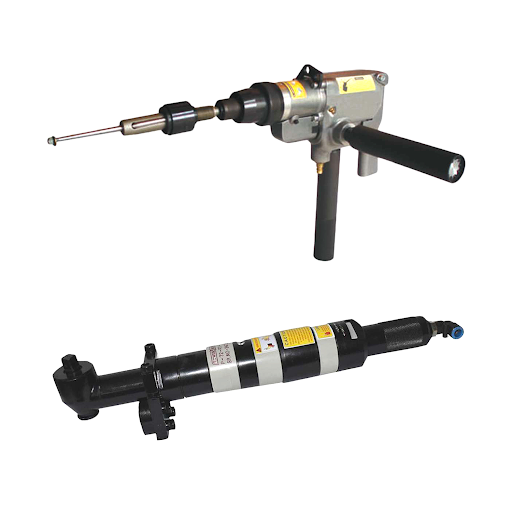
Tube expansion is a vital operation in the industries which employ boilers, condensers and heat exchangers. It aids in tube sealing in tube sheets and ensures equipment reliability. Opting for the right expansion equipment can help ensure that a better installation quality is achieved and maintenance work becomes easier. If the expansion process is powered by compressed air, one possibility is to use a pneumatic tube expander.
Knowing the operation, applications and factors to consider when purchasing one can make a difference for the maintenance team.
How Does a Pneumatic Tube Expander Work?
There are pneumatical tube expanders which rely on compressed air to operate a mechanism that expands a tube in a tube sheet. It generally involves applying a controlled pressure to the wall of the tube using a mandrel and rollers. This causes the tube to expand against the hole around it, which aids in forming a tight seal. It is essential to get the expansion setting right. If the tube expands too much it can cause a failure in the tube or tube sheet, or if it doesn’t expand enough, it can cause a weak joint or leakage. Before using, operators should keep in mind the characteristics of the tube such as material, thickness, inside diameter and the level of expansion desired.
Consistency can be achieved with the application of proper tooling and according to the manufacturer’s instructions. From time-to-time inspections, operators can spot worn components that can have an impact on the performance.
Where Is Pneumatic Tube Expansion Used?
Tube expansion is a frequently used method for manufacturing, installation, repair and maintenance of equipment. Tube-based equipment is utilized in a number of operations in various industries, including power generation, oil & gas, petrochemicals and heavy engineering.
Expanded tube joints are used to join tubes to tube sheets in boilers. For condensers and heat exchangers, the importance of secure joints comes into play to ensure that a separation is maintained between the fluids and to ensure efficient heat transfer.
If compressed air is available and a pneumatic tube expander is available that fits the tube specifications, it may be suitable to use a pneumatic tube expander. But the best choice will depend on the type of work environment, the volume of production and the expansion plans. Not all equipment will be appropriate for all applications; selection of pneumatic systems should be done according to the task.
The Importance of Proper Tool Selection
Properly chosen tube installation equipment can help to ensure workmanship uniformity and mitigate potential installation issues. Appropriate training to operators and following of established procedures to each job. Tools should also be inspected periodically to ensure safety and reliability in operation.
Before purchasing new tools, businesses need to evaluate their existing equipment and the maintenance necessary down the road. It is important to match the tool with the application to ensure reliable results.
Conclusion
The pneumatic tube expansion helps in installing the tubes in various industrial applications. Maintenance personnel can choose appropriate tools and results by knowing how the tool works, the appropriate tube size and the expansion needed.
Tube Expander has more than 50 years’ experience in industrial tube tools and maintenance equipment. Discover its portfolio of tube expansion solutions in boilers, condensers and heat exchangers.