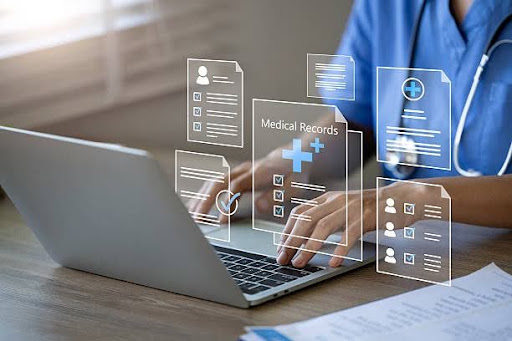
In healthcare, even small documentation mistakes can have significant consequences. A missed medication detail, an incomplete patient history, or an inaccurate treatment note can affect care quality, compliance, and operational efficiency. As healthcare organizations continue adopting digital solutions, intelligent documentation platforms are becoming an essential part of modern clinical workflows.
Advancements in ai clinical documentation are helping providers capture information more accurately while reducing repetitive administrative work. Instead of relying solely on manual note-taking, clinicians can use intelligent systems that support real-time documentation, improve consistency, and minimize the risk of human error.
Why Human Error Happens in Clinical Documentation
Healthcare professionals work in fast-paced environments where every minute counts. Between patient consultations, reviewing medical records, and updating ehr software, documentation often becomes one of the most time-consuming responsibilities.
Several factors contribute to documentation errors, including:
- Heavy administrative workloads that divide clinicians’ attention
- Time pressure during busy clinic hours
- Manual entry mistakes and missing information
- Inconsistent note formatting across providers
- Fatigue caused by extended documentation tasks
These challenges not only impact operational efficiency but also contribute to Physician Burnout, making it harder for clinicians to focus on patient care.
The Role of Intelligent Documentation Software
Modern documentation platforms use artificial intelligence to streamline how clinical information is captured and organized. Rather than replacing healthcare professionals, these tools assist them by automatically generating structured records from clinical conversations.
Solutions powered by ambient clinical intelligence continuously capture relevant interactions during appointments and convert them into organized clinical notes. This approach reduces interruptions while allowing providers to maintain greater focus on patients.
As a result, healthcare organizations improve documentation quality without increasing administrative workloads.
AI Improves Documentation Accuracy
Traditional note-taking depends entirely on manual input, increasing the possibility of missing important details. Intelligent systems help reduce these risks by automatically organizing clinical conversations into accurate records.
An AI Medical scribe listens during patient visits and creates draft documentation that clinicians can review before finalizing. Instead of spending valuable time typing notes after appointments, providers simply verify and approve the generated records.
This process supports more complete documentation while minimizing inconsistencies that often occur during manual entry.
Ambient Voice Technology Creates More Natural Workflows
One of the biggest improvements in recent years is the adoption of ambient voice technology. Unlike traditional recording methods, ambient systems operate quietly in the background without disrupting patient interactions.
The technology captures conversations naturally and converts spoken information into structured medical records using advanced language processing. This enables providers to focus on communication instead of keyboards and screens.
The result is more accurate documentation with fewer omissions.
Better SOAP Notes Through Automation
Creating detailed soap notes requires careful organization of subjective findings, objective observations, assessments, and treatment plans. When clinicians are pressed for time, documentation quality may suffer.
Intelligent documentation platforms automatically organize clinical conversations into properly formatted notes, ensuring important information is captured consistently.
Rather than starting from a blank page after every appointment, clinicians review AI-generated drafts and make any necessary adjustments before final approval.
Supporting Better EHR Integration
Documentation software delivers greater value when combined with reliable ehr integration. Instead of copying information between multiple applications, intelligent platforms synchronize documentation directly with electronic health record systems.
This streamlined workflow offers several advantages:
- Reduces duplicate data entry
- Improves documentation consistency
- Keeps patient records updated faster
- Minimizes transcription-related errors
- Supports smoother clinical workflows
Integrated systems also help healthcare teams spend less time navigating different software platforms throughout the day.
AI Patient Intake Reduces Early Documentation Errors
Documentation quality begins before the clinical consultation. Traditional registration processes often depend on handwritten forms or manually entered information, increasing the possibility of incomplete or inaccurate records.
Modern ai patient intake solutions collect patient information digitally, validate entries, and organize data before appointments begin. Providers receive more complete patient histories, helping reduce errors that originate during the intake process.
Accurate information from the start creates a stronger foundation for the entire care journey.
Beyond Traditional Medical Dictation
Conventional medical dictation has helped clinicians document patient encounters for many years, but it still requires editing, formatting, and manual organization.
Today’s intelligent platforms go further by combining speech recognition with contextual understanding. An advanced ai transcrition tool can recognize medical terminology, identify speakers, and organize conversations into structured clinical documentation rather than producing simple transcripts.
This significantly reduces editing time while improving documentation consistency.
Financial Benefits Alongside Better Accuracy
Reducing documentation errors also creates measurable business value. Fewer documentation mistakes mean fewer claim corrections, less administrative rework, and improved operational efficiency.
Organizations evaluating medical scribe roi frequently discover that intelligent documentation solutions provide value beyond productivity improvements. Reduced overtime, improved clinician satisfaction, and lower administrative costs contribute to long-term ai scribe cost savings.
Healthcare leaders increasingly recognize that investing in documentation technology supports both clinical excellence and financial sustainability.
The Future of Ambient AI Healthcare
The rapid evolution of ambient ai healthcare is changing how clinicians interact with technology. Instead of spending hours completing records after patient visits, providers can rely on intelligent systems that assist throughout the documentation process.
As artificial intelligence continues to improve, healthcare organizations will benefit from more accurate records, streamlined workflows, and greater consistency across clinical teams. Intelligent documentation software does not eliminate the need for clinical oversight, but it provides valuable support that reduces human error while allowing clinicians to devote more attention to what matters most—delivering exceptional patient care.