Indoor air quality has become an important consideration for residential, commercial, healthcare, educational, and industrial environments. As people spend more time indoors, maintaining cleaner air helps create comfortable spaces and reduce airborne particles, pollutants, and contaminants. Modern buildings increasingly rely on advanced ventilation and purification technologies to improve indoor environmental conditions without compromising energy efficiency.
With growing awareness of environmental health, air filtration solutions have become an essential component of modern indoor air management strategies. These systems combine filtration technologies, controlled airflow, and intelligent purification methods to support healthier indoor environments. By integrating advanced filtration into building infrastructure, organizations can improve occupant comfort while maintaining cleaner, safer, and more sustainable indoor spaces.
Advanced Indoor Air Technologies Enhancing Clean Spaces
Modern air purification technologies combine multiple filtration methods to improve indoor environments. These systems help remove airborne contaminants while maintaining consistent airflow across different residential and commercial applications.
-
High-Efficiency Particulate Filtration Systems
High-efficiency filtration systems are designed to capture microscopic airborne particles, including dust, pollen, allergens, and other suspended pollutants. Advanced filter media improve particle retention while allowing sufficient airflow throughout indoor environments. These systems contribute to cleaner indoor conditions by continuously filtering circulating air. Their effectiveness makes them suitable for offices, healthcare facilities, educational institutions, hospitality environments, and residential buildings seeking improved indoor air quality.
-
Multi-Stage Air Purification Technology
Modern purification systems often combine several filtration stages that work together to improve indoor air quality. Pre-filters capture larger particles before finer filtration layers remove smaller contaminants. Additional purification technologies may target odors, volatile organic compounds, and airborne microorganisms. Multi-stage purification provides comprehensive indoor air management while improving system efficiency. Layered filtration also extends filter life by distributing purification responsibilities across multiple stages.
-
Smart Airflow Management for Indoor Comfort
Effective indoor air quality depends on maintaining balanced airflow throughout occupied spaces. Intelligent airflow systems distribute filtered air evenly while reducing stagnant zones where pollutants may accumulate. Advanced airflow management supports ventilation performance without creating uncomfortable drafts or uneven temperature distribution. Proper airflow complements filtration systems by ensuring purified air reaches occupied areas consistently, improving both indoor comfort and overall environmental quality.
-
Energy-Efficient Filtration Performance
Modern filtration technologies are increasingly designed to balance purification performance with energy efficiency. Optimized filter materials reduce airflow resistance while maintaining effective contaminant removal. Energy-efficient systems lower operational costs by reducing power consumption without sacrificing indoor air quality. This balance supports sustainable building operations while helping organizations maintain healthy indoor environments in line with long-term energy management objectives.
Modern Building Systems Supporting Cleaner Air Quality
Advanced building technologies integrate intelligent purification, ventilation, and monitoring systems to create healthier indoor environments. As indoor spaces become more complex, air filtration solutions play a vital role in removing airborne particles, allergens, and pollutants while maintaining consistent air circulation. These systems work alongside smart ventilation to introduce clean outdoor air, regulate humidity, and improve overall indoor comfort.
Modern air management also emphasizes energy efficiency by optimizing filtration performance without increasing operational costs. By combining advanced purification technologies with sustainable building practices, organizations can improve indoor air quality, enhance occupant well-being, support healthier workplaces, and maintain reliable environmental performance across residential, commercial, healthcare, and educational facilities.
Comprehensive Indoor Air Systems Supporting Better Health
Modern indoor environments require reliable air quality management that combines purification, ventilation, monitoring, and efficient airflow. These technologies work together to create cleaner and healthier spaces across diverse applications.
-
Consistent Air Quality Across Different Facilities
Commercial buildings, educational institutions, hospitals, hospitality establishments, and residential properties each have unique indoor air quality requirements. Advanced purification systems can be customized to address varying occupancy levels, environmental conditions, and operational demands. Consistent filtration performance helps maintain cleaner indoor environments throughout changing weather conditions and daily usage patterns. Flexible air management solutions ensure that different facilities receive reliable protection against airborne contaminants while supporting occupant comfort.
-
Advanced Filtration for Long-Term Performance
Modern filtration systems are engineered to provide dependable purification over extended operational periods. Durable filter materials, optimized airflow pathways, and intelligent maintenance schedules contribute to consistent system performance. Long-lasting filtration minimizes interruptions while reducing maintenance frequency and operational costs. Reliable equipment performance ensures that indoor environments continue to receive effective air purification, helping organizations maintain healthier conditions year-round.
-
Smart Monitoring and Predictive Maintenance
Digital monitoring technologies enhance filtration performance by continuously evaluating system conditions. Sensors measure airflow, filter status, and environmental indicators to provide real-time operational insights. Predictive maintenance identifies potential servicing requirements before performance declines, allowing facility managers to maintain uninterrupted purification. Intelligent monitoring also supports better resource planning, improves equipment reliability, and extends the overall lifespan of indoor air management systems.
-
Flexible Applications Across Multiple Industries
Advanced filtration technologies support a wide range of industries with varying indoor environmental requirements. Healthcare facilities require high standards of air cleanliness, while offices prioritize occupant comfort and productivity. Educational institutions, manufacturing environments, retail spaces, and hospitality facilities also benefit from customized air management solutions. Flexible filtration systems adapt to these diverse operational requirements while maintaining consistent purification performance and indoor environmental quality.
Creating Healthier Environments with Fresh Air Systems
Maintaining superior indoor environmental quality requires more than filtration alone. Effective fresh air solutions combine controlled ventilation, advanced purification, balanced airflow, and intelligent monitoring to deliver cleaner indoor spaces. These integrated systems continuously introduce purified outdoor air while removing indoor pollutants, improving occupant comfort and supporting healthier daily living and working environments.
By combining ventilation with efficient filtration technologies, organizations can create sustainable indoor ecosystems that promote wellbeing, improve operational efficiency, and meet evolving expectations for healthier buildings.
Conclusion
Creating healthier indoor environments requires advanced technologies that combine efficient air purification, intelligent ventilation, and reliable filtration. Modern indoor air quality systems help reduce airborne contaminants, improve air circulation, and maintain consistent environmental conditions across residential, commercial, healthcare, educational, and industrial spaces. By integrating energy-efficient solutions with smart air management, organizations can promote occupant comfort, support healthier indoor environments, and achieve long-term sustainability goals.
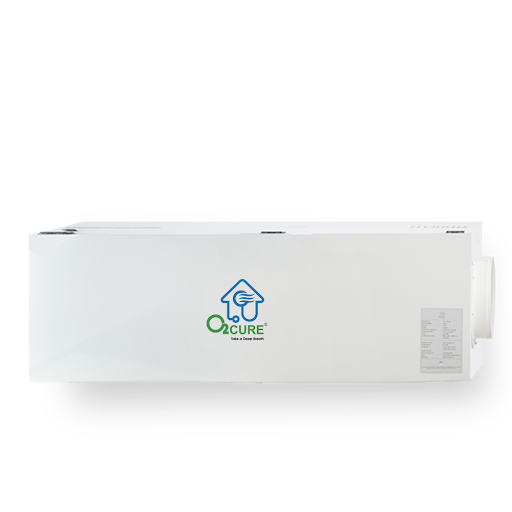
O2Cure offers a comprehensive range of indoor air quality solutions designed to support these objectives. Its portfolio includes advanced air purification systems, ventilation technologies, filtration solutions, and intelligent air quality management systems that help enhance indoor environmental performance. Through innovative engineering and a strong focus on energy efficiency, they enable organizations to create cleaner, healthier, and more sustainable indoor spaces while improving operational reliability and long-term infrastructure performance.