Reliable food arrangements can make a major difference to the success of an event, the comfort of employees, and the daily experience of guests. Professional catering services help organisations and individuals provide fresh, well-presented meals without having to manage every detail themselves. From planning menus to preparing food and arranging delivery, an experienced provider can make dining convenient, organised, and enjoyable. Whether the requirement is a business meeting, staff lunch, conference, celebration, or large gathering, careful preparation helps ensure that guests are served on time and receive meals suited to the occasion.
Why Professional Food Planning Matters
Food shapes how people experience an event or workplace. Well-planned meals welcome guests, support employee satisfaction, and let organisers focus on other responsibilities. A professional team can manage quantities, ingredients, preparation, and service.
A dependable provider considers the occasion, guest count, venue, and budget before recommending a plan. Preparation helps prevent insufficient portions, delays, unsuitable choices, and food waste.
Food Solutions for Different Occasions
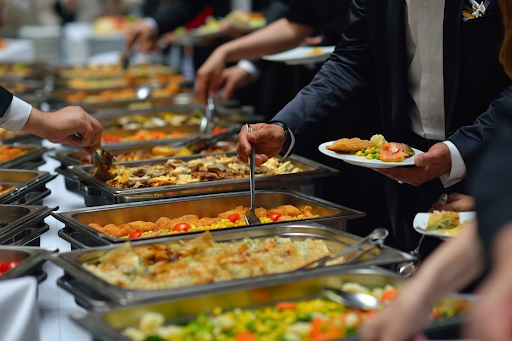
Each occasion has different needs. A conference may require packed meals and refreshments, while a family celebration may call for a buffet and serving staff. A flexible caterer adjusts menus and service to suit the setting.
Common occasions that may require organised food support include:
- Corporate meetings, seminars, workshops, and conferences.
- Office lunches, employee events, and staff appreciation days.
- Weddings, birthdays, anniversaries, and private celebrations.
- Product launches, exhibitions, and networking events.
- Training sessions, community programmes, and formal gatherings.
Sharing the schedule and guest expectations helps the team recommend practical arrangements. A short meeting may need drinks and snacks, while a full-day programme may require breakfast, lunch, and afternoon refreshments.
For regular meals and special functions, experienced catering services can simplify coordination, improve consistency, and make each order easier to manage. Planning ahead and confirming details supports dependable results.
Making Workplace Meals Easier
Regular workplace meals require consistency and planning. An organised office catering service can provide daily lunches, team meals, visitor refreshments, and meeting food. It offers employees a convenient option during busy working hours. A reliable office catering service should also be able to adjust quantities when staff numbers change and communicate any menu updates promptly. Workplace food plans can be designed around several needs:
- Daily meals: Regular lunch options with a rotating menu can add variety while keeping arrangements predictable.
- Meetings: Individually packed meals and snack selections are useful when participants have limited time.
- Special occasions: Food for celebrations, staff milestones, and company events can create a welcoming atmosphere.
- Dietary preferences: Vegetarian choices and clearly identified ingredients help employees make informed selections.
Businesses should share expected headcounts and meal timings with the provider. They should also communicate allergies, dietary restrictions, and any food handling requirements. Clear information makes it easier to plan portions and reduce last-minute changes.
Choosing Menus That Suit Guests
A good menu balances taste, variety, presentation, and practicality. Choices depend on the occasion, guests, service duration, and budget. Local favourites offer familiarity, while lighter dishes may suit daytime meetings.
When reviewing menu options, consider:
- The balance between rice, grains, proteins, vegetables, and side dishes.
- Vegetarian and other dietary options for guests with different preferences.
- Portion sizes that suit the length and purpose of the event.
- Drinks, snacks, desserts, and other additions required by the schedule.
- Food presentation and packaging, especially for meals delivered to separate rooms.
It is useful to request menu details before confirming an order. Ask how dishes are prepared, how they will be transported, and whether substitutions are possible. For larger functions, a tasting or sample menu can help organisers assess flavour, portion size, and presentation before making a final decision.
Hygiene, Freshness, and Safe Handling
Food quality depends on safe storage, clean preparation areas, and packaging that protects freshness. Providers should follow food safety practices during preparation, transport, and service.
Organisers can discuss these points before making a booking:
- How ingredients are sourced and stored.
- How food is prepared and protected from contamination.
- Whether hot and cold items are transported at suitable temperatures.
- How serving areas, utensils, and equipment are kept clean.
- How allergies and special dietary requests are recorded and managed.
These questions are especially important for events with many guests or meals that must travel to a separate venue. Good communication helps everyone understand what will be provided and how the food will be handled.
Planning the Budget and Service Details
A clear budget helps compare options and avoid unexpected costs. Pricing may depend on menu, guest count, delivery distance, staff, equipment, packaging, and service duration. An itemised quotation clarifies inclusions and extra charges.
Before confirming arrangements, establish the following details:
- The event date, venue, and expected guest count.
- The menu, portion sizes, and any dietary requirements.
- Delivery or serving times and the length of service.
- The equipment, tables, utensils, and staff required.
- Payment terms, cancellation conditions, and the process for changing numbers.
It is also sensible to confirm the final headcount and schedule close to the event. A written agreement or booking confirmation gives both parties a shared reference and reduces the chance of misunderstandings.
What to Look for in a Catering Partner
Choosing a provider involves more than comparing prices. Look for a responsive team that explains how it will manage your requirements. Experience with similar events is valuable, especially for large guest numbers, multiple meal periods, or tight schedules.
When comparing a catering company in Nigeria, consider menu flexibility, service capacity, food safety, communication, and consistency. Ask for references or examples of previous work. A catering company in Nigeria should be transparent about its capabilities and avoid promising arrangements it cannot reliably support. Share the event brief early, ask questions, and confirm details in writing. This gives the provider time to plan staff, ingredients, preparation, transport, and service. One contact person helps resolve questions before they affect the event.
Conclusion
Well-organised food arrangements help events run smoothly and simplify workplace dining. Timely meals, suitable portions, and thoughtful choices let organisers focus on the gathering. Consistent service also supports a positive environment for employees, clients, and visitors. Catering & Facilities Solutions Limited supports organisations seeking coordinated food and facilities solutions. Discuss event needs, workplace meals, menu preferences, guest numbers, and schedules with the team to plan suitable arrangements.