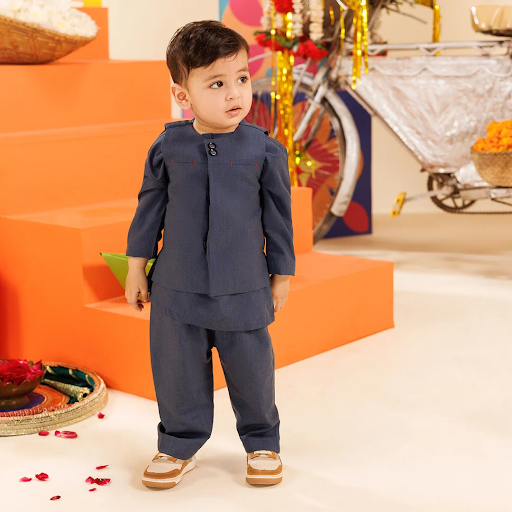
A kids dress can be a practical purchase when the right size is selected for comfort, movement, and everyday use. Since children grow quickly, buying clothing slightly larger can sometimes extend the useful life of a dress. However, choosing a size up is not always the best option. A dress that is too large may feel uncomfortable, look poorly fitted, or make movement difficult. The right decision depends on the fabric, design, season, body shape, and intended use. Understanding these factors makes it easier to decide whether a kids dress should match the current size or allow a little extra room for growth.
When Buying a Kids Dress a Size Up Makes Sense
Buying a kids dress one size larger can be useful when rapid growth is expected. Children can outgrow clothing within a short period, particularly during active growth stages. A slightly larger dress may remain comfortable for a longer time and provide better value.
A size-up option can also work well for loose-fitting styles. Dresses with relaxed silhouettes, gathered waists, A-line shapes, or adjustable straps can often accommodate additional growth without looking noticeably oversized. Extra length may also be acceptable for certain casual designs.
Seasonal clothing is another situation where a larger size can be practical. A dress purchased several months before the season may fit better when that season arrives. However, the additional size should still remain within a reasonable range to prevent excessive looseness.
When a Size Up May Not Be Suitable
Not every kids dress can comfortably accommodate an extra size. Fitted dresses depend more heavily on accurate measurements around the chest, waist, and shoulders. A larger size may create gaps, cause straps to fall, or make the overall shape look unbalanced.
Formal dresses can also require a more precise fit. Special occasion clothing often includes structured bodices, detailed waistlines, layered skirts, or decorative elements. An oversized fit can affect both comfort and appearance.
Length should also be considered carefully. A dress that becomes significantly longer after moving up one size may interfere with walking or playing. For active children, excessive fabric around the legs can become inconvenient.
Consider the Dress Design Before Sizing Up
The construction of a kids dress plays an important role in determining whether a larger size will work. Adjustable features are particularly helpful. Shoulder straps with multiple settings, elastic waistbands, button adjustments, and tie closures can allow a dress to accommodate growth more effectively.
Stretch fabrics can also provide flexibility. Cotton blends, jersey materials, and other fabrics with moderate stretch may offer a comfortable fit across a broader range of body measurements. Non-stretch fabrics generally require closer attention to the size chart.
The shape of the skirt matters as well. A flowing skirt usually provides more room than a fitted pencil-style or body-shaped design. Loose silhouettes are therefore more suitable for allowing a little additional growing room.
Check Measurements Instead of Relying Only on Age
Age-based sizing provides a useful starting point, but measurements are usually more reliable. Children of the same age can have very different heights, body proportions, and growth patterns.
Important measurements for a kids dress include chest, waist, shoulder width, and overall length. Comparing these measurements with the clothing size chart can help identify whether the current size or the next size will provide a better fit.
Height is particularly important when selecting a dress. A larger size may provide useful extra room around the body but create excessive length. Measuring from the shoulder to the desired hemline can help prevent this issue.
Think About Comfort and Movement
Comfort should remain a major consideration when deciding on dress size. Children often sit, run, bend, climb, and play throughout the day. Clothing needs enough room for these movements without becoming excessively loose.
A slightly relaxed fit can support comfortable movement, while a very oversized dress may get caught during active play. Sleeves should also allow natural arm movement, and shoulder seams should remain reasonably close to the correct position.
For everyday wear, comfort may be more important than getting the maximum possible lifespan from a garment. A dress that lasts longer but remains uncomfortable may not provide practical value.
Fabric Can Affect the Right Size
Fabric behavior should be considered before purchasing a larger kids dress. Some materials shrink slightly after washing, while others maintain their original measurements. Pre-shrunk cotton can behave differently from untreated cotton, so care instructions are worth checking.
Stretch fabrics may accommodate small changes in body size without requiring a larger garment. In contrast, stiff woven fabrics have less flexibility and may need a more accurate fit.
Wash-care instructions can also influence sizing decisions. If a garment requires frequent washing, checking whether the material is prone to shrinkage can help determine whether a small amount of extra room is appropriate.
Consider the Purpose of the Dress
The intended use can change the best sizing decision. A casual kids dress for home, school, or outdoor activities may benefit from a slightly relaxed fit. Extra room can support movement and allow the garment to remain useful for a longer period.
A party dress or formal outfit generally benefits from a closer fit. Structured designs, decorative details, and specific waistlines tend to look better when the garment follows the intended measurements.
Sleepwear and loose summer dresses can often tolerate additional room, while fitted winter dresses or layered outfits may require more precise sizing.
How Much Bigger Should a Kids Dress Be?
One size up is generally more practical than purchasing several sizes larger. A single size increase may provide modest additional room without dramatically changing the shape of the garment.
Buying two or more sizes above the current measurement can create problems with shoulder placement, sleeve length, neckline fit, and overall proportions. Excess fabric can also make movement less convenient.
The ideal amount of extra room depends on the design. An adjustable or loose dress can tolerate more flexibility than a fitted style. Measurement charts should remain the main reference rather than relying on a fixed rule.
Signs That a Dress Is Too Large
Several signs can indicate that a kids dress has been sized up too much. Shoulder seams that extend far beyond the shoulders, sleeves covering the hands, or a neckline that sits too loosely can indicate excessive sizing.
The waistline should also sit near the intended position. If a waist seam falls noticeably below the natural waist, the dress may have been purchased too large.
Excessive length is another clear sign. A hem that reaches the ankles when the design is intended to fall around the knees can affect movement and change the appearance of the dress.
A Simple Approach to Choosing the Right Size
Start by measuring the child’s chest, waist, and height. Compare those measurements with the manufacturer’s size chart rather than relying only on the age label. Next, check the fabric and dress construction. Stretch materials and adjustable designs provide more flexibility, while structured garments generally require greater accuracy.
Consider when the dress will be worn. If the garment is needed immediately for an event, the current appropriate size is usually more practical. If the purchase is intended for future seasonal use, a modest size increase may make sense.
Finally, consider movement, comfort, and length. A kids dress should provide enough room for normal activity without appearing or feeling excessively large.
Final Thoughts on Buying a Kids Dress
Buying a kids dress a size up can be useful when growth, seasonality, fabric, and dress design support a slightly roomier fit. However, sizing up should not become an automatic rule. Measurements, construction, length, and intended use provide better guidance than age alone. Adjustable features and relaxed styles can make a larger size more practical, while fitted or formal dresses usually benefit from accurate sizing. The goal is to balance present comfort with reasonable room for growth so the dress remains wearable, practical, and appropriate for the child’s everyday activities.
Why Bachaa Party Is a Useful Choice for Kids Dress Shopping
Bachaa Party offers a broad range of children’s clothing designed around different ages, occasions, styles, and seasonal needs. The variety can make it easier to compare casual dresses, party outfits, and other kidswear options in one place. Size information and product details can also support more informed purchasing decisions, especially when selecting clothing for a growing child. A suitable kids dress should combine comfort, practical sizing, appropriate fabric, and a design suited to the occasion. Bachaa Party provides a convenient destination for exploring different children’s clothing options while considering these important factors before making a purchase.