You may notice knee pain while climbing stairs, stiffness after sitting or discomfort that returns during daily activities. These symptoms can make movement difficult and gradually affect your routine. Since joint problems can have different causes, the right assessment is important before deciding on treatment.
If you are looking for the best orthopaedic doctor in Delhi, consider their experience with knee and joint conditions, their diagnostic approach, and how clearly they explain treatment options. A specialist who understands your symptoms and activity levels can recommend care based on your individual needs. Recognising when joint pain needs medical attention can help you take the next step at the right time.
When Should Joint Pain Be Examined?
Joint pain can develop gradually or after an injury. Consider consulting an orthopaedic specialist if the pain persists, returns frequently or starts affecting walking, exercise or other daily activities. Recurring swelling, stiffness or difficulty bending the joint also deserves medical assessment.
Some symptoms need quicker attention. A hot and swollen joint, especially with fever, can indicate a serious problem. Severe pain, visible deformity or difficulty bearing weight after an injury also requires prompt medical evaluation.
How Is Knee Pain Diagnosed?
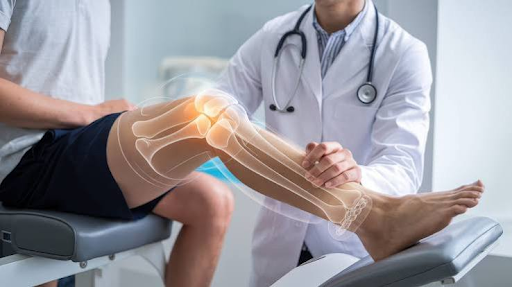
An orthopaedic doctor usually begins by discussing your symptoms, medical history and previous injuries. The specialist can ask when the pain started, which movements make it worse and whether you notice stiffness, swelling or weakness. During the examination, they also assess joint movement, tenderness, and stability.
Depending on the suspected condition, the doctor can recommend X-rays, MRI scans or blood tests. These investigations help identify problems such as arthritis, ligament injuries or cartilage damage. Your specialist should explain why a test is needed and how the results can influence treatment.
What Treatment Options Are Available?
Treatment depends on the diagnosis, severity of symptoms and how much the condition affects your daily life. Many knee and joint problems can be managed without surgery. Your orthopaedic specialist can recommend an approach based on your condition and overall health.
Common treatment options include:
- Physiotherapy: Exercises that help improve joint strength, flexibility and movement.
- Medicines: Pain-relief or anti-inflammatory medicines recommended based on your medical needs.
- Activity Changes: Temporary changes to exercise or daily movements to reduce strain on the affected joint.
- Surgical Treatment: Procedures considered when other treatments do not provide enough relief or surgery is clinically required.
Established hospitals such as BLK-MAX Super Speciality Hospital provide access to orthopaedic consultations and surgical assessment for different bone and joint concerns. Before agreeing to any procedure, discuss the expected benefits, possible risks and recovery requirements with your specialist.
How Can You Choose the Right Orthopaedic Doctor?
A consultation should help you understand the cause of the pain and the next steps. Along with clinical experience, consider how clearly the doctor explains the diagnosis and whether you feel comfortable asking questions about treatment.
Important factors to consider include:
- Relevant Expertise: Does the doctor regularly manage your knee or joint condition?
- Clear Communication: Are the diagnosis and recommended tests explained in simple terms?
- Treatment Planning: Are both surgical and non-surgical options discussed when appropriate?
- Patient Involvement: Are your concerns, routine and treatment goals considered?
- Follow-Up Care: Is there a clear plan for reviewing symptoms and recovery?
Choosing a doctor who understands both the medical condition and its effect on daily activities can make treatment planning more practical.
What Should You Expect During Recovery?
Recovery depends on the condition, treatment and your physical abilities. After an injury or procedure, your doctor can recommend physiotherapy, suitable exercises and temporary changes to activity. Following guidance on movement and weight-bearing can help protect the joint while it heals.
Regular follow-up appointments allow the specialist to assess pain, mobility and treatment progress. The recovery plan can also be adjusted as strength and movement improve. If pain, swelling or movement suddenly becomes worse, contact your care team for further assessment.
Conclusion
Knee and joint pain can affect movement, work and everyday activities when symptoms continue for a long time. Identifying the cause is an important first step towards choosing suitable treatment and planning recovery.
When comparing the best orthopaedic doctor in Delhi, look at relevant experience, diagnostic approach, communication and follow-up support. Discuss your symptoms, available treatment options and expected recovery before making a decision. The right medical guidance can help you manage joint problems and work towards better movement in daily life.