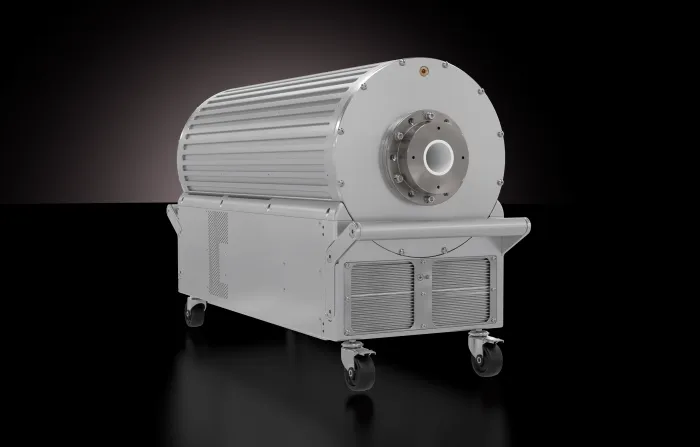
The advancement of diagnostic imaging has transformed modern healthcare and industrial inspection processes. At the heart of these technologies lies the efficiency of X-ray systems, which depends heavily on precise electrical control. One of the most critical factors influencing imaging performance is X-ray tube voltage, which determines the energy, penetration, and clarity of the X-rays produced. Proper voltage regulation ensures that imaging systems deliver accurate results while maintaining operational safety and consistency.
As industries continue to demand sharper imaging and faster processing, the role of electrical systems becomes even more significant. Optimizing X-ray tube voltage not only enhances image quality but also improves system reliability and efficiency. From medical diagnostics to non-destructive testing, understanding how voltage impacts performance helps organizations achieve better outcomes while reducing operational costs and equipment wear.
Understanding X-ray Tube Voltage and Its Impact on Imaging Precision
X-ray systems rely on controlled electrical energy to generate radiation for imaging. The X-ray tube voltage plays a vital role in determining the strength and quality of the X-ray beam.
1. Controlling Penetration Power for Clear Imaging
Higher voltage increases the energy of X-ray photons, allowing them to penetrate dense materials more effectively. This is essential for capturing clear images in applications such as medical diagnostics and industrial inspections. Proper voltage adjustment ensures the right level of penetration without compromising safety or image clarity.
2. Enhancing Image Contrast and Detail
Voltage settings directly affect image contrast. Lower voltages produce higher contrast images, while higher voltages create smoother grayscale transitions. Finding the right balance is crucial for obtaining detailed and accurate images that meet specific application requirements.
3. Reducing Noise and Image Distortion
Optimized voltage settings minimize noise and distortion in X-ray images. This ensures that the final output is sharp and reliable, improving diagnostic accuracy and inspection results. Consistent voltage control is key to maintaining high-quality imaging standards.
4. Improving Operational Efficiency of X-ray Systems
Efficient voltage management reduces energy wastage and improves system performance. By maintaining stable voltage levels, X-ray systems can operate more efficiently, reducing downtime and maintenance requirements.
5. Supporting Versatility Across Applications
Different applications require varying voltage levels. Adjustable-voltage systems enable X-ray equipment to be used across multiple industries, enhancing flexibility and usability.
How X-ray Tube Voltage Optimization Improves System Performance
Achieving optimal performance in X-ray systems requires precise control and monitoring of voltage levels. Proper optimization enhances both efficiency and reliability.
1. Extending Equipment Lifespan
Maintaining stable voltage reduces stress on X-ray tubes, preventing premature wear and extending equipment lifespan. This leads to lower replacement and maintenance costs over time.
2. Enhancing Safety Standards
Controlled voltage levels ensure safe operation by minimizing excessive radiation exposure. This is critical in both medical and industrial environments where safety is a top priority.
3. Increasing Energy Efficiency
Optimized voltage usage reduces unnecessary power consumption, making X-ray systems more energy-efficient and cost-effective.
4. Improving Consistency in Imaging Results
Stable voltage ensures consistent imaging output, which is essential for accurate analysis and decision-making.
5. Supporting High-Speed Imaging Processes
Efficient voltage control allows for faster imaging cycles, improving productivity in high-demand environments.
The Role of Technology in Managing X-ray Tube Voltage Effectively
Modern X-ray systems incorporate advanced technologies to manage voltage with precision and reliability.
1. Digital Control Systems for Accuracy
Advanced digital systems enable precise voltage adjustments, ensuring optimal performance for different imaging needs.
2. Real-Time Monitoring and Feedback
Continuous monitoring allows operators to detect and correct voltage fluctuations instantly, maintaining consistent performance.
3. Integration with Automated Imaging Solutions
Automation enhances efficiency by adjusting voltage settings based on predefined parameters, reducing manual intervention.
4. Enhanced Safety Mechanisms
Modern systems include built-in safety features that prevent voltage overload and protect both equipment and operators.
5. Compatibility with Advanced Imaging Technologies
Voltage control systems are designed to work seamlessly with modern imaging technologies, improving overall system integration.
Applications of X-ray Tube Voltage Across Industries
The versatility of X-ray systems makes them essential across multiple industries, each of which requires specific voltage configurations.
1. Medical Diagnostics and Healthcare Imaging
In healthcare, precise voltage control ensures accurate imaging for diagnosis and treatment planning.
2. Industrial Non-Destructive Testing
Industries use X-ray systems to inspect materials and detect defects without causing damage.
3. Security and Screening Systems
Airports and security facilities rely on X-ray systems to efficiently scan luggage and cargo.
4. Research and Scientific Analysis
Laboratories use X-ray imaging for detailed analysis and experimentation.
5. Manufacturing Quality Control
Manufacturers use X-ray systems to ensure product quality and detect structural flaws.
Why Choosing the Right High Voltage Power Supplier Matters
The performance of X-ray systems depends not only on the tube but also on the quality of the power supply. A reliable High Voltage Power Supplier ensures stable and efficient operation.
1. Ensuring Stable Voltage Output
A high-quality supplier provides consistent voltage, which is essential for accurate imaging results.
2. Supporting System Reliability
Reliable power supplies reduce the risk of system failures and downtime.
3. Enhancing Energy Efficiency
Efficient power systems minimize energy consumption and operational costs.
4. Providing Customization Options
Advanced suppliers offer tailored solutions to meet specific application requirements.
5. Maintaining Safety and Compliance Standards
High voltage systems must meet strict safety regulations, and trusted suppliers ensure compliance.
Conclusion
In modern imaging systems, precision, reliability, and efficiency are directly influenced by the quality of voltage control and power supply. Selecting the right High Voltage Power Supplier is essential for ensuring consistent performance, improved imaging clarity, and long-term operational stability. Organizations that invest in advanced power solutions can achieve better results while reducing maintenance costs and energy consumption.
For organizations seeking advanced and dependable solutions, VJ X-Ray stands out as a trusted provider of high-performance X-ray systems and components. With a strong focus on innovation, quality, and precision engineering, they deliver reliable technologies that enhance imaging efficiency across medical and industrial applications. Their expertise in high-voltage systems ensures optimal performance, making them a preferred choice for businesses aiming to achieve superior imaging clarity and operational excellence.