Modern interiors are shaped by more than furniture layouts and decorative accessories. Surface finishes play an important role in defining how a room looks, feels, and performs over time. Virgo HPL World offers a useful reference point for understanding how High Pressure Laminate surfaces combine visual variety with practical performance.
HPL can introduce wood-inspired warmth, stone-like sophistication, metallic character, subtle textures, or bold patterns to furniture and architectural spaces. With collections covering solid colors, wood grains, patterns, metals, and specialty decorative surfaces, designers have considerable flexibility when developing contemporary interiors.
Why HPL Finishes Matter in Modern Interiors
Furniture surfaces are constantly exposed to handling, movement, cleaning, moisture, heat, and everyday impact. Choosing an appropriate finish therefore involves more than selecting an attractive color. The surface needs to complement the design concept while supporting the functional demands of the space.
HPL is widely considered for furniture and interior applications because it can combine aesthetic flexibility with technical resilience. Modern HPL solutions are engineered for resistance to moisture, heat, and impact, making them suitable for different environments.
The finish also influences visual perception. A warm wood grain can make a contemporary room feel more natural, while a refined solid color can create a clean and minimalist appearance. Textured surfaces can introduce depth, helping furniture appear more distinctive without requiring complicated ornamentation.
Wood Grain Finishes Add Natural Character
Wood-inspired finishes remain highly relevant in modern furniture because they provide the appearance of natural timber while supporting contemporary design requirements. Different grain patterns, tones, and textures can create completely different impressions.
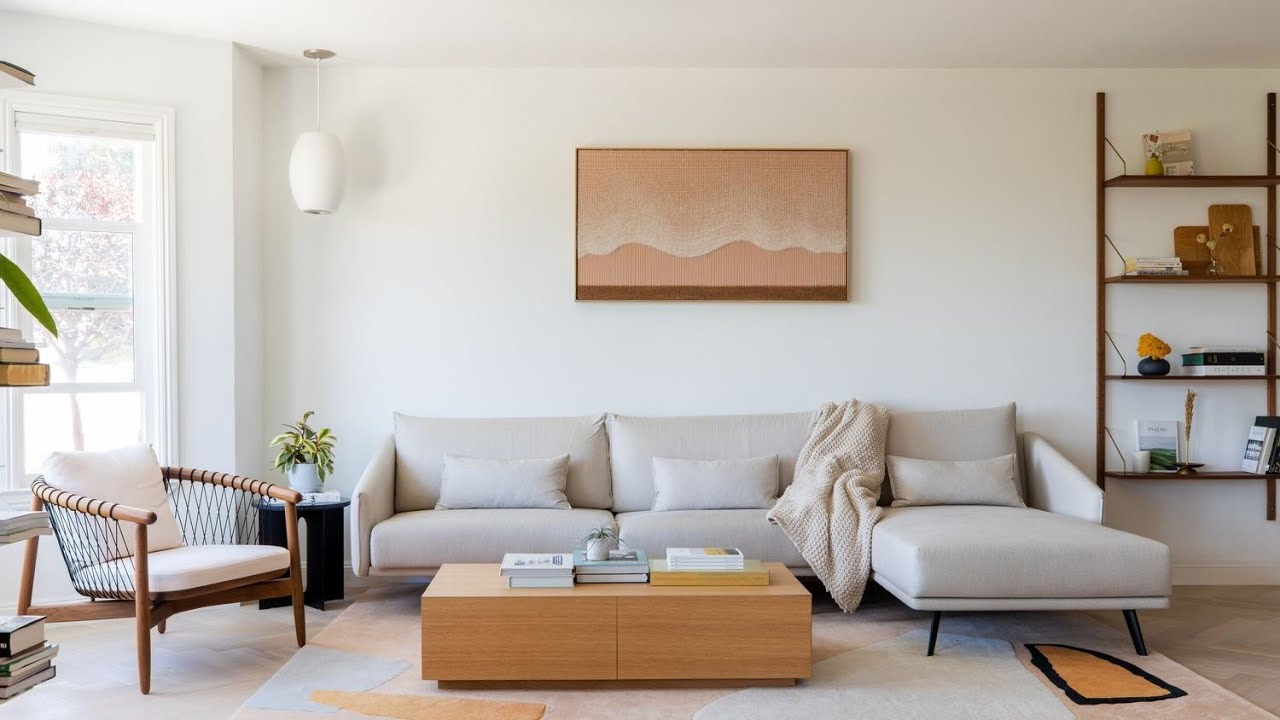
Light wood finishes can contribute to an airy and relaxed atmosphere, making them suitable for Scandinavian-inspired or minimalist interiors. Deeper wood tones can create visual warmth and a more sophisticated character. Designers can also combine wood-inspired surfaces with neutral walls, metal accents, glass, or upholstered elements to create balanced compositions.
The availability of wood grain collections allows furniture manufacturers and interior designers to coordinate cabinets, wardrobes, desks, storage units, wall panels, and other surfaces around a consistent visual language. The website’s product categories include wood grains alongside solid colors, patterns, metals, and other decorative options.
Solid Colors Support Minimalist Furniture Design
Minimalist interiors often depend on simple forms and carefully controlled color palettes. Solid-color HPL finishes can support this approach by creating smooth visual blocks across furniture and architectural surfaces.
Neutral shades can help establish understated interiors, while darker colors may create contrast and definition. Brighter shades can be introduced as accents on selected furniture pieces without overwhelming the entire room.
This flexibility is particularly useful in contemporary offices, retail environments, hospitality spaces, and residential interiors where designers may need surfaces that coordinate with different materials. The manufacturer describes its solutions as serving residential furniture, commercial spaces, corporate offices, hospitality, retail, healthcare, and high-traffic public infrastructure.
Textured Finishes Bring Depth to Interior Surfaces
Flat surfaces can look refined, but texture provides another layer of visual and tactile interest. Textured HPL finishes can imitate or reinterpret materials such as fabric, concrete, stone, timber, and other decorative surfaces.
For example, a concrete-inspired finish can support an industrial interior concept, while a fabric-inspired pattern may create a softer appearance. Stone and marble-inspired surfaces can add visual richness to furniture without requiring natural stone across every application.
The available collections demonstrate this variety through patterns and finishes such as fabric-inspired designs, concrete appearances, marble references, rattan-inspired surfaces, and pearlescent metallic options.
Metallic Finishes Create Contemporary Accents
Metal-inspired HPL finishes can introduce a sleek and sophisticated character to furniture. They can be particularly effective when used selectively on cabinet fronts, feature panels, counters, reception furniture, or commercial interiors.
Silver, bronze, and darker metallic appearances can create contrast against wood grains or neutral surfaces. This allows designers to introduce a premium visual element without making the entire space overly decorative.
Metallic finishes can also work well with modern lighting. Reflections and subtle surface variations may change the way furniture is perceived under different lighting conditions, creating additional visual interest.
Matching Finish With Furniture Function
A successful furniture design considers both appearance and use. A surface selected for a decorative wall feature may have different priorities from one used on frequently handled cabinetry or work surfaces.
For high-use environments, designers should consider durability, cleaning requirements, resistance, and expected exposure before finalizing a finish. HPL solutions are designed to combine aesthetic flexibility with technical performance, making surface selection an important part of furniture planning.
This is especially relevant for offices, healthcare environments, hospitality areas, retail spaces, and public infrastructure where surfaces may experience frequent daily use.
How Finish Combinations Shape Modern Styles
Modern interiors rarely depend on one surface type. Designers often combine several finishes to create hierarchy and contrast. A wood grain may be paired with a solid neutral, while a metallic detail can be introduced as an accent.
Another approach is to combine similar colors with different textures. This creates depth without introducing too many contrasting shades. For example, a muted solid finish alongside a tactile wood grain can produce a subtle layered appearance.
Using finishes consistently across furniture and architectural elements can also strengthen visual continuity. Cabinets, partitions, counters, wall panels, and storage systems can share complementary surface characteristics, helping the entire interior feel coordinated.
Conclusion
HPL finishes influence modern furniture and interior styles by bringing together color, texture, pattern, material expression, and functional performance. From natural wood grains and understated solids to concrete textures, decorative patterns, and metallic effects, different finishes can establish distinct moods while supporting demanding applications. When designers evaluate appearance alongside durability, maintenance, functionality, and project requirements, HPL surfaces can become an integral part of a cohesive and enduring interior concept.
With a commitment to innovative surfaces and dependable material solutions, Virgo Laminates offers premium HPL solutions, compact laminates, exterior cladding, panels, plywood, and aluminum products for architects, designers, builders, OEMs, contractors, fabricators, dealers, and distributors. Virgo HPL World presents varied decorative surfaces supported by manufacturing expertise, technical resources, global standards, and solutions for residential, commercial, hospitality, healthcare, retail, and architectural applications.