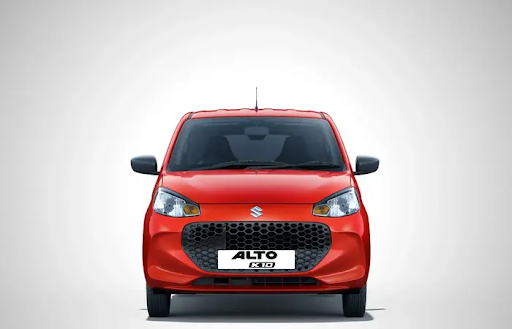
The Maruti Alto K10 is built to keep everyday mobility simple. Its light body, compact footprint, and small petrol engine support strong fuel efficiency, particularly in dense urban use. Comparing it with rivals requires looking beyond the certified number to traffic, cabin load, transmission, and ownership priorities.
What influences Alto K10 petrol mileage?
Short trips and slow traffic reduce alto k10 petrol mileage because the engine spends more time warming up and idling. Smooth acceleration, early upshifts, correct tyre pressure, and steady speeds help the Alto K10 use fuel more efficiently.
Manual and AGS versions can return different results depending on the driver. AGS reduces clutch effort, but frequent accelerator inputs can still increase consumption.
How does it compare with similarly priced cars?
The Alto K10 competes with other entry hatchbacks and small urban cars. Its advantages include low weight, easy parking, widespread service reach, and competitive efficiency. Rivals may offer different cabin width, boot space, design, or feature packages.
A mileage comparison should use the same fuel type and test standard. Do not compare a petrol kmpl figure with a CNG km/kg figure without converting the running cost.
Is CNG better for high monthly running?
Factory-fitted CNG can lower the cost per kilometre for drivers covering substantial distances. The trade-offs include a higher purchase price, reduced luggage flexibility, and dependence on station availability and queues.
Estimate the monthly saving using local fuel prices and realistic mileage. Divide the additional upfront cost by the monthly saving to understand the approximate break-even period.
What real-world results should buyers expect?
Actual results may sit below certified figures in congested cities and closer to them on flowing roads. Air-conditioning, gradients, passenger load, and aggressive acceleration create large differences.
Use owner reports only as a range, not a promise. A longer test drive on familiar roads gives better insight into engine response and transmission behaviour than a showroom loop.
How can owners preserve efficiency?
Follow service intervals, use the recommended oil grade, maintain wheel alignment, check brakes for drag, and keep tyres correctly inflated. Remove unnecessary loads and avoid prolonged idling.
For AGS, use progressive throttle inputs. For manual versions, avoid labouring the engine in a high gear or holding lower gears longer than needed.
Who should buy the Alto K10?
It makes sense for buyers prioritising affordability, city manoeuvrability, and low running costs over rear-seat width or premium features. It can also work as a second household car for short commutes.
Compare the Alto K10 price, safety equipment, insurance, fuel choice, and expected resale. The best decision is the configuration that supports your real monthly use without stretching the budget.
A practical final view
The Alto K10 remains compelling for simple city mobility and low running-cost potential. Test cabin practicality and safety needs alongside mileage before choosing a variant.
Why certified and real-world mileage differ
Certified figures are measured under controlled test conditions. Daily results change with traffic density, average speed, air-conditioning use, tyre pressure, passenger load, road gradient and driving style. A short trip made entirely in congestion can look very different from a long, steady highway run. Owners should therefore track several tankfuls rather than judging the car from one journey.
City driving: where fuel is usually lost
Repeated acceleration, long idling periods and low average speeds increase consumption. Gentle throttle inputs, early upshifts in a manual and smooth anticipation in an AMT can help. Keeping unnecessary weight out of the boot and maintaining the recommended tyre pressure also matters. Aggressive attempts to save fuel, such as coasting unsafely or switching off the engine while moving, should be avoided.
Highway driving: steady progress works best
Fuel efficiency generally improves when the car maintains a consistent, legal speed in its efficient operating range. Sudden overtakes, high cruising speeds and frequent braking use more fuel. Plan overtakes, leave adequate following distance and use cruise control only where traffic and road conditions permit.
How to calculate your own mileage
Fill the tank to the same cut-off point, reset the trip meter, drive normally and refill at the same station after covering a meaningful distance. Divide kilometres travelled by litres filled. Repeat the process over three or four tankfuls and average the results. For CNG, divide distance by kilograms filled and consider that pump pressure can affect each refill.
Questions to settle on a test drive
- Is the seating position comfortable for every regular driver?
- Can the car handle your usual parking and turning spaces?
- Does the chosen fuel have dependable availability on your routes?
- Are the safety and convenience features present on the exact variant?
- What is the itemised ownership cost over the first three years?
| Factor | Likely effect on mileage |
|---|---|
| Stop-start traffic | Reduces efficiency |
| Steady legal cruising | Usually improves efficiency |
| Heavy load or low tyre pressure | Raises fuel use |
| Smooth acceleration | Supports better consistency |
| Short cold-engine trips | Often return lower figures |
A balanced way to shortlist
Begin with the non-negotiables: budget, passenger capacity, fuel availability, transmission preference and regular route. Remove variants that miss any of these requirements. Then compare the remaining choices on safety, comfort, running cost and after-sales support. This order prevents cosmetic features from dominating a decision that will affect daily life for several years.
A showroom visit should confirm more than appearance. Sit in every row, adjust the driver’s seat and mirrors, test phone connectivity, inspect the spare-wheel arrangement and check luggage space with the seats in the positions you will normally use. Ask for the exact manufacturing month and verify that the quotation reflects the chosen colour, variant and optional equipment.
Final takeaway
The right choice is the one that remains affordable and useful after the excitement of purchase has passed. Use verified specifications, an itemised quotation and a proper test drive. Where figures can change, confirm the latest details with the manufacturer, authorised dealer or regulated lender before committing.
How does passenger load affect a small car?
Extra passengers and luggage represent a larger percentage of the Alto K10’s total weight than they do in a bigger vehicle. The engine must work harder on inclines and during acceleration. Owners who regularly travel fully loaded should expect lower mileage and should assess highway performance carefully before choosing.
Is the lowest fuel bill always the best value?
Not necessarily. A slightly larger rival may cost more to buy and fuel but provide better comfort, boot space or refinement for a family. Compare total ownership cost with the usefulness of the car. A vehicle that frequently requires a second cab or cannot carry normal luggage may not be the cheapest practical solution.
Alto K10 comparison checklist
- Test rear-seat access with regular passengers.
- Compare boot space in petrol and CNG versions.
- Drive the AMT in slow traffic.
- Check highway stability at legal speeds.
- Price equivalent safety-equipped variants.
- Estimate fuel savings using annual kilometres.
How should the final decision be documented?
Keep a simple comparison sheet containing the assumptions, quotations, test-drive observations and recurring costs used in the decision. Written notes prevent a later offer or showroom conversation from changing the basis of comparison. Recheck the figures immediately before booking because prices, rates, features and availability can change.