When it comes to cycling in rugged terrains, especially in mountainous regions, the choice between an electric bicycle and a traditional mountain bike can be a bit tricky. Both types of bikes have their unique features and benefits, but choosing the right one depends on various factors like terrain, fitness level, riding preferences, and environmental considerations.
In this guide, we’ll break down the differences between an electric cycle and a traditional mountain bike to help you make an informed decision. Whether you’re looking for extra power on those steep inclines or the rugged durability of a mountain bike, we’ve got you covered.


What is a Mountain Bike?
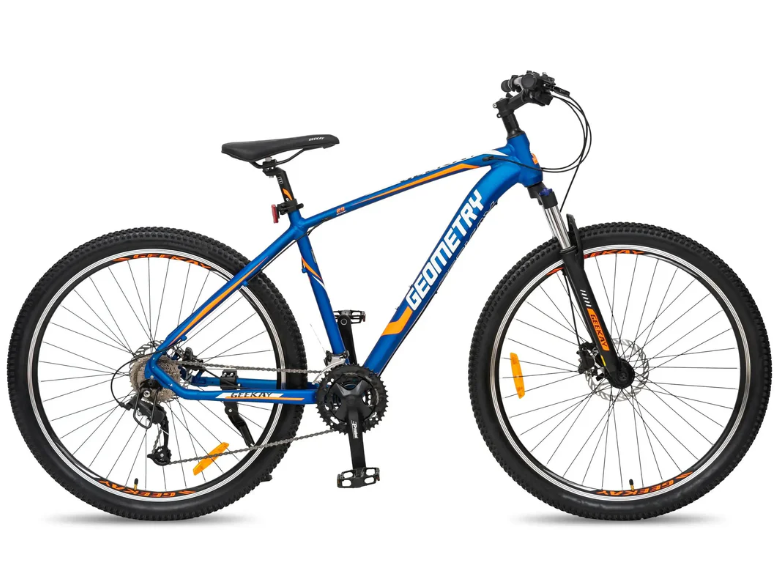
A mountain bike is designed for off-road cycling, often on rough terrains, dirt trails, and rocky paths. These bikes are equipped with features like wider tires, a suspension system, and a durable frame to withstand the challenging conditions of mountain biking.
Key Features of a Mountain Bike:
- Tires: Larger and knobbier tires for enhanced grip on uneven surfaces.
- Suspension: A shock-absorbing system (front, rear, or full suspension) to smooth out the ride on rough terrains.
- Gear System: A manual gear system for better control and customization of speed.
- Brakes: Typically, mountain bikes have disc brakes, offering better stopping power, especially on steep descents.
Who Should Choose a Mountain Bike?
Mountain bike cycle are best for those who are looking for an authentic off-road experience. If you enjoy physical challenges, need a workout, or prefer to rely on your own strength to conquer tough trails, a traditional mountain bike is a great choice.
Pros of Mountain Bikes:
- Better Control: Provides more control and a more connected feel with the terrain.
- Durability: Built to withstand rough terrains and harsh conditions.
- Lightweight: Generally, mountain bikes are lighter than electric bikes, making them ideal for climbing and maneuvering.
Cons of Mountain Bikes:
- Physical Demands: Requires a higher level of fitness, especially on uphill climbs.
- Limited Speed: Without the aid of an electric motor, mountain bikes have a limited speed on inclines.
What is an Electric Bicycle?
An electric bicycle (or e-bike) combines traditional cycling with an electric motor to provide extra power, especially on tough terrains like mountains. These bikes have a motor that helps you pedal, reducing the physical effort required when navigating steep climbs or rough paths.
Key Features of an Electric Bicycle:
- Motor Assistance: The motor provides varying levels of pedal assistance, depending on the power settings you choose.
- Battery: A rechargeable battery provides power to the motor, typically lasting anywhere from 30 to 100 miles depending on the capacity and riding conditions.
- Pedal Assist or Throttle: Some e-bikes have a throttle (like a motorcycle) while others use pedal assist (where the motor only kicks in when you pedal).
Who Should Choose an Electric Bicycle?
An electric bicycle is perfect for cyclists who want to reduce the physical strain during their rides, especially when facing steep inclines or long distances. Electric bicycle are also great for individuals who want to enjoy off-road biking but prefer the extra assistance to make the ride more enjoyable.
Pros of Electric Bicycles:
- Effortless Climbing: The motor helps with climbing steep hills and mountain terrains, reducing physical effort.
- Increased Speed: E-bikes can travel faster and for longer distances without as much exertion.
- Longer Rides: The motor assistance allows you to ride longer, covering more miles with less fatigue.
Cons of Electric Bicycles:
- Heavier: Electric bikes tend to be heavier than traditional mountain bikes due to the motor and battery.
- Maintenance: Requires more maintenance due to the electrical components.
- Battery Life: Limited by the battery life, and you’ll need to charge it after a certain distance.
Electric Bicycle vs Mountain Bike: The Battle
Now that we’ve covered the basics of both types of bikes, let’s compare them in detail to help you decide which one is better for mountain terrains.
- Climbing Hills
One of the biggest challenges when biking in mountainous areas is the incline. Mountain bikes require physical strength to ascend steep hills, while electric bicycles make it much easier thanks to the motor’s assistance. With the added power, you can save your energy for the descent and have more fun.
Verdict: If you’re looking for an easier time on the hills, an electric bicycle is the way to go.
- Speed and Distance
On flat or moderately inclined paths, a traditional mountain bike can offer plenty of speed. However, on tougher inclines or long-distance rides, the electric cycle will have the advantage. The motor helps maintain speed, so you don’t have to work as hard, allowing you to cover longer distances without exhaustion.
Verdict: If you want to go the extra mile with minimal effort, go for an electric bicycle.
- Control and Handling
For experienced riders who love a more tactile feel of the terrain, a traditional mountain bike is unmatched in terms of control. The suspension and gearing allow for precision on tricky paths, and you can truly feel every bump and turn.
Verdict: If you prioritize control and handling, a traditional mountain bike wins.
- Durability
Both bikes are built to withstand tough conditions, but traditional mountain bikes are generally built with more durable frames and fewer delicate components. Electric bicycles tend to be heavier and have more intricate electrical systems, which can be vulnerable to damage in rough terrains.
Verdict: A traditional mountain bike may have better long-term durability.
Which Should You Choose?
The choice between an electric cycle and a mountain bike ultimately depends on your preferences and the type of riding experience you’re after.
- Choose an Electric Bicycle if:
- You want extra assistance for climbing steep mountains.
- You plan on riding long distances without getting too fatigued.
- You prefer a mix of traditional cycling and motorized assistance for a more comfortable ride.
- Choose a Mountain Bike if:
- You enjoy the physical challenge of cycling uphill and off-road.
- You prefer having more control over your bike and terrain.
- Durability and lower maintenance costs are important factors for you.
In either case, both types of bikes provide an excellent way to enjoy the outdoors, connect with nature, and get some fresh air while biking. Make sure to evaluate your own needs and preferences before making a decision.
Final Thoughts
Ultimately, choosing between an electric bicycle and a mountain bike depends on your riding style, fitness level, and the type of terrain you wish to conquer. Whether you’re looking for the added boost of an e-bike or the control and durability of a mountain bike, both options can offer an exhilarating ride in the mountains.
If you’re still unsure, it’s always a good idea to test both types of bikes to see which one feels better for you. Happy riding!