


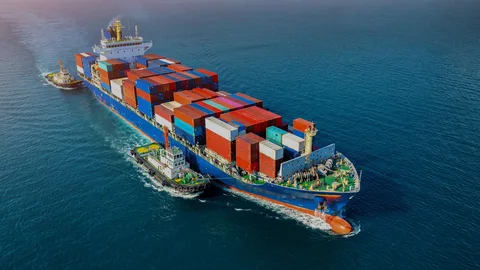
Moving goods across borders requires a balance between costs and delivery schedules. For businesses handling large consignments or regular international orders, sea freight shipping offers a way to move products without the higher rates often associated with air transport. However, the lowest quoted freight rate does not always mean the lowest overall cost. Businesses should also account for port handling, customs charges, inland transportation, insurance, and storage.
Lower Costs for Large Shipments
One of the main reasons companies use ocean transport is its ability to carry substantial volumes in a single journey. Sea transport is particularly useful for:
- Manufacturers moving raw materials or finished products in bulk.
- Retailers importing inventory ahead of seasonal demand.
When goods are not urgently required, shipping by sea can reduce the transportation cost per unit, helping businesses manage budgets and protect their margins.
Flexible Options for Different Cargo Volumes
Full Container Load (FCL) services allow one shipper to use an entire container, which can suit larger consignments. Less-than-Container Load (LCL) services combine smaller shipments from different customers in one container. This gives companies with limited cargo volumes access to ocean transport without paying for unused container space.
Comparing both formats can help businesses avoid unnecessary expenses. LCL may suit occasional or smaller orders, while FCL can offer better control over loading, handling, and scheduling when shipment volumes justify a dedicated container.
Planning Helps Manage Transit Challenges
Sea freight shipping usually takes longer than air freight. Vessel schedules, port congestion, customs procedures, and weather conditions can affect delivery timelines. Companies should therefore plan orders early, maintain suitable inventory levels, and allow extra time for unexpected disruptions.
Before booking a shipment, businesses can:
- Confirm cargo dimensions, weight, packaging, and handling needs.
- Check sailing schedules and estimated transit times.
- Prepare accurate invoices, packing lists, and required customs documents.
- Consider marine insurance for suitable protection against covered risks.
- Track shipment progress and coordinate delivery from the destination port.
The Value of Experienced Freight Partners
International shipping involves more than reserving space on a vessel. Documentation, customs clearance, cargo consolidation, port coordination, and inland delivery all need attention. Experienced freight companies can coordinate these stages and explain the service options available for different types of cargo.
When assessing a provider, businesses should review its route coverage, communication process, shipment visibility, service flexibility, and clarity of pricing. A dependable logistics partner can help align transport arrangements with operational requirements.
Conclusion
Sea transport remains a valuable option for businesses that need to move substantial cargo while controlling logistics expenses. It is most effective when delivery deadlines allow for longer transit and shipments are planned around demand. By selecting the right container arrangement, preparing documents carefully, and allowing realistic transit time, companies can make shipments more predictable and cost-conscious. The best results come from comparing the complete delivery cost rather than focusing on the ocean freight rate alone.
AVR Logistics provides sea freight forwarding for domestic and international shipments, including FCL and LCL options. They also describe related support such as customs clearance, warehousing, cargo tracking, and multimodal transport. Businesses reviewing freight companies for their shipping needs may consider how these services fit their cargo volume, destination, and delivery plans. Reviewing service scope and total landed costs can support a more informed decision.