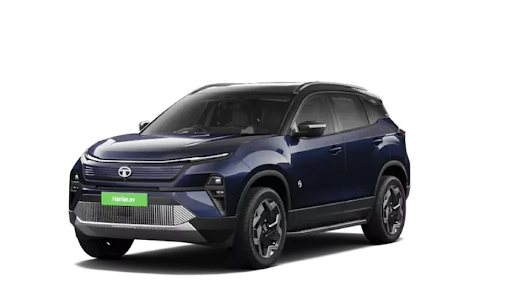
When it comes to choosing an automobile, safety often emerges as a primary concern for buyers. This is especially true for families or individuals who plan to use their vehicles for long journeys. With the myriad of options available in today’s market, understanding a car’s crash test ratings can be a vital part of making an informed decision. In this blog post, we delve into the Tata Harrier, examining its safety features and global crash test ratings to determine if it’s a safe choice for prospective buyers.
Introduction to the Tata Harrier
The Tata Harrier, introduced in 2019, quickly earned its place in the competitive automotive segment. Known for its robust performance, sleek design, and advanced technologies, the Harrier has garnered attention from diverse customer segments. With rising interest in SUVs, Tata has positioned the Harrier as a contender in the ever-expanding market, emphasizing not just aesthetics and performance but safety.
Understanding Crash Test Ratings
Before diving into the specifics of the Tata Harrier, it’s essential to understand what crash test ratings mean. Organizations like the Global NCAP (New Car Assessment Program) and Euro NCAP (European New Car Assessment Programme) conduct comprehensive evaluations of vehicles to assess their safety in various crash scenarios. These organizations use a variety of metrics, including adult occupant safety, child occupant safety, pedestrian safety, and safety assistance systems, to generate an overall star rating.
Receiving higher star ratings typically indicates a better safety profile, as these tests simulate real-world crash scenarios to evaluate how well a vehicle protects its occupants in the event of an accident.
The Tata Harrier’s Global Crash Test Ratings
So, what do the crash test ratings say about the Tata Harrier? In 2019, the Tata Harrier underwent testing by Global NCAP, achieving a commendable score of 16.45 out of 17 in adult occupant protection and 29.12 out of 49 for child occupant protection, ultimately achieving a 5-star safety rating overall. This accomplishment placed the Harrier amongst the safest SUVs available in the market, underlining Tata Motors’ commitment to enhancing vehicle safety.
Key Safety Features of the Tata Harrier
The Tata Harrier is equipped with numerous safety features that contribute to its impressive tata harrier safety ratings. Here’s a closer look:
- Robust Build Quality: The Harrier is built on Tata’s Omega Arc platform, which enhances structural rigidity and crashworthiness. The chassis has been designed to absorb impact energy, helping protect the occupants during a collision.
- Dual Airbags: As a standard safety feature, the Harrier comes with dual front airbags for both the driver and passenger, reducing the risk of injury upon hard impact.
- Anti-lock Braking System (ABS): This feature prevents the wheels from locking up during braking, leading to better vehicle control in emergency situations or on slippery surfaces.
- Electronic Stability Program (ESP): This system assists in maintaining control of the vehicle during sharp turns or when driving on uneven terrain, thereby decreasing the likelihood of rollovers.
- Traction Control System (TCS): This feature assists in maintaining traction, particularly on slippery surfaces, which is vital for an SUV’s performance and safety.
- Rear Parking Sensors and Camera: For added safety when reversing, the Harrier is equipped with rear sensors and a camera to help drivers navigate tight spaces with ease.
- Child Safety Locks: The vehicle comes with child safety locks to ensure the safety of younger passengers.
Real-World Implications of Safety Ratings
While crash test ratings provide valuable insights, it’s important to consider real-world implications as well. Many factors contribute to vehicle safety, including driver behavior, road conditions, and the broader traffic environment.
The Tata Harrier’s high safety ratings are reassuring for buyers, given that they reflect the vehicle’s performance in controlled conditions. However, safe driving practices, regular vehicle maintenance, and adherence to road safety norms are equally important.
Comparative Analysis
To better understand where the Tata Harrier stands in terms of safety, it’s worth comparing it against competitors in the same segment. Models like the Hyundai Creta and Kia Seltos also boast strong safety features and ratings. However, the Harrier’s standout feature is its exceptional build quality, derived from Tata’s focus on safety as a core design principle.
Customer Feedback on Safety
Customer feedback on the Tata Harrier reveals that many buyers appreciate the emphasis on safety. Reviews often highlight the confidence drivers feel when behind the wheel, knowing they are well-protected. Additionally, parents with young children value the safety features tailored for family travel, such as ISOFIX child seat anchors and rear parking assistance.
Conclusion
In conclusion, the Tata Harrier emerges as a commendable choice for safety-conscious buyers. With its impressive safety ratings and robust set of features, this SUV provides a strong case for its purchase. However, potential buyers should also consider their lifestyle, driving habits, and the conditions in which they will primarily be driving.
While the Harrier stands tall among its competitors in terms of safety, the ultimate decision should reflect individual preferences and requirements. As with any purchase, prospective owners should assess not only the vehicle’s technical specifications but also how it fits into their daily lives.
Before making a final decision, it’s advisable to test drive the Harrier and consult with trusted automotive reviews and resources. After all, a comprehensive understanding of the vehicle—both in terms of performance and safety—is essential in making the best choice for you and your family.
Whether you prioritize safety, performance, or design, the Tata Harrier offers a well-rounded package worthy of consideration in the SUV market.